Embarking on the journey of acquiring a pinball machine can be as exciting as playing the game itself. With a variety of options, features, and price ranges, knowing where to start might seem daunting. That’s where this comprehensive pinball buying guide comes into play, designed to help enthusiasts and newcomers alike make informed decisions and find the ideal machine that fits their space, budget, and passion. Whether you’re aiming to add a vintage classic to your game room or searching for a modern marvel, this guide unveils the key considerations to ensure you bring home a machine that delivers joy, durability, and value.
Introduction: Why Pinball is the Perfect Investment
Pinball machines offer more than just entertainment—they are a unique blend of nostalgia, craftsmanship, and social engagement. Owning a pinball machine transforms your space into a lively arcade, inviting friends and family to gather around and relive the golden age of gaming. Beyond the sheer fun factor, pinball machines are increasingly regarded as collectible assets, especially vintage models that value appreciates over time. Their iconic designs, mechanical complexity, and limited editions have made them coveted items for enthusiasts around the world.
Investing in a pinball machine goes beyond mere hobby; it’s about preserving a piece of gaming history. The tactile feedback, vibrant artwork, and compelling gameplay create an immersive experience that’s hard to replicate digitally. If approached thoughtfully, buying a pinball machine can be a rewarding addition to your personal collection or entertainment space, with the potential to become a cherished heirloom. This pinball buying guide aims to equip you with insights to make a choice that balances passion, practicality, and long-term satisfaction.
Setting a Budget: How Much Should You Spend on a Pinball Machine?
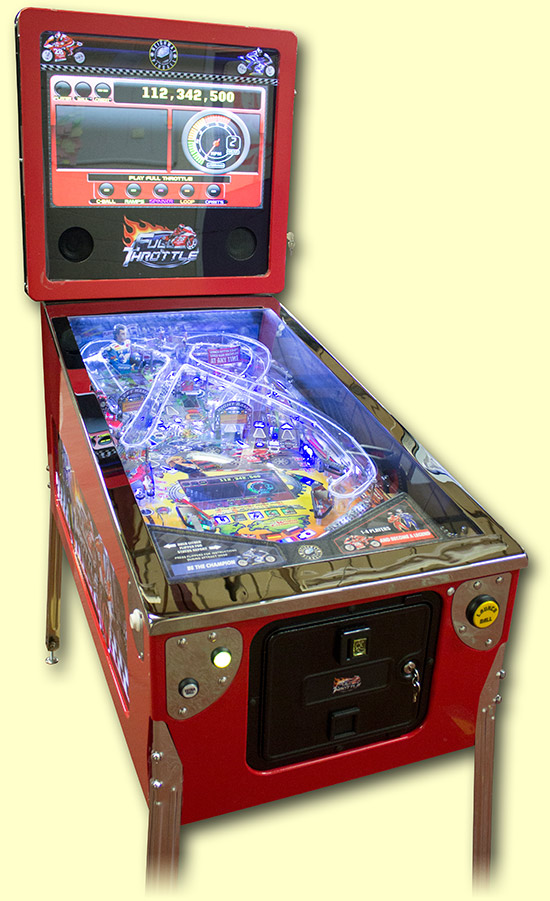
Determining your budget is one of the most critical steps in the pinball buying process. Prices for machines fluctuate widely based on age, rarity, condition, and whether they’re new or used. Entry-level used units can start around $1,000 to $3,000 for older, less polished models, while pristine or collector’s items—particularly limited editions or vintage classics—can fetch upwards of $10,000 or more. A clear budget helps narrow down options and prevents overspending, especially if you’re new to pinball collecting.
While it’s tempting to go for the most flashy or expensive machine, it’s essential to consider ongoing costs such as maintenance and repairs. Machines on a tighter budget might require more TLC, which could increase your total investment over time. Conversely, setting aside extra funds for a high-quality, well-maintained machine can offer better reliability and less hassle. Ultimately, your ideal budget aligns with your enthusiasm, intended use—whether casual play or serious collecting—and your capacity to maintain the machine over the years.
New vs. Used: Weighing the Pros and Cons of Each Option
Choosing between a brand-new or pre-owned pinball machine hinges on your priorities, preferences, and budget. New machines often come with the latest features, warranties, and manufacturer support, ensuring a cleaner, more reliable product. They tend to be less prone to immediate mechanical issues, and you have the opportunity to customize options during purchase. However, new machines are also significantly more expensive, sometimes costing 30-50% more than used models, which can be a barrier for casual enthusiasts.
Used pinball machines, on the other hand, offer affordability and a broader range of options, especially for vintage and classic titles. These machines can be found at bargain prices, especially if you’re willing to invest some DIY effort into refurbishment. The downside is that used machines might come with wear, mechanical issues, or outdated electronics, which can increase long-term maintenance costs. Deciding between new and used involves weighing importance—whether you prioritize reliability and warranty or prefer affordability and nostalgia. This decision is central to making a successful purchase.
Understanding Pinball Machine Types and Features
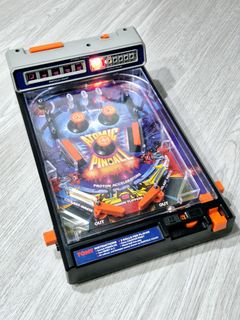
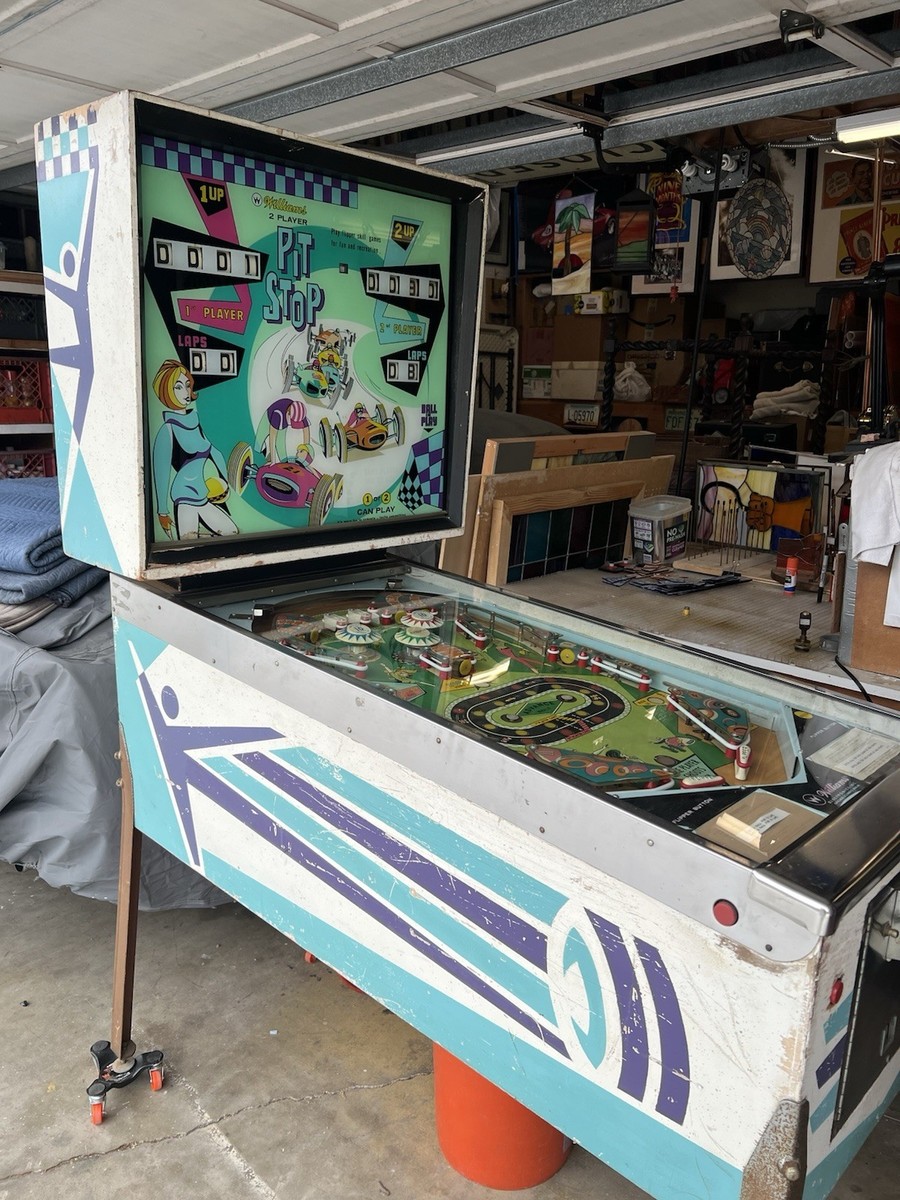
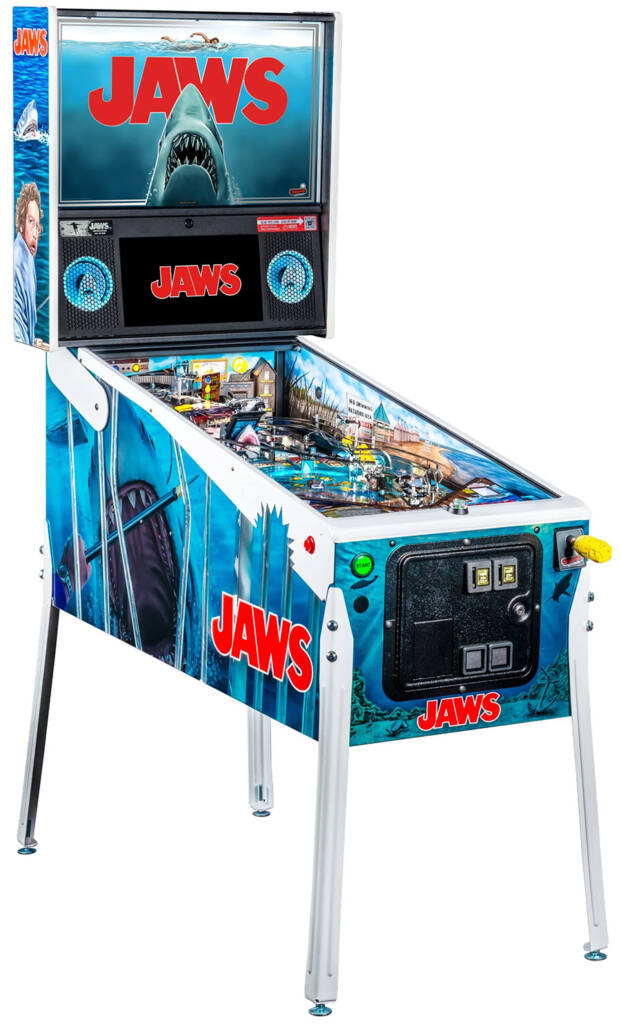
Pinball machines come in various types and configurations, each tailored to different preferences and gameplay styles. Classic machines from the 60s and 70s often feature mechanical scoring systems and colorful artwork, embodying vintage charm and simplicity. Modern machines incorporate advanced electronics, digital displays, complex targets, and themed licensing (from movies, TV shows, or pop culture), providing dynamic and engaging gameplay. Some models even offer online connectivity and programmable features for the tech-savvy collector.
Familiarity with different features can help you identify a machine that matches your interests. For example, coin-operated vintage units may appeal to collectors interested in historical value, while newer machines with LCD screens, rule customization, and multiple game modes cater to players looking for cutting-edge gameplay. Look for specific features such as auto-ball launchers, ramp systems, multiball mechanics, and artwork details that align with your aesthetic and gameplay preferences. Understanding these options will help you select a pinball machine that provides both visual appeal and hours of entertainment.
Where to Buy: Finding Reputable Dealers and Private Sellers
Locating a trustworthy source is paramount in the pinball buying process, whether you’re investing in a vintage relic or a modern machine. Reputable dealers often operate with transparency, provide detailed condition reports, and offer warranties or return policies, reducing the risk of scams or misrepresentations. Visiting well-established vintage game shops, attending pinball expos, or exploring online marketplaces with strong seller reviews can help you find certified units that meet quality standards.
Private sellers can offer unique opportunities to acquire rare or discontinued models at competitive prices, but they require careful vetting. Always ask for detailed photos, maintenance history, and proof of ownership, and if possible, see the machine in person before completing the purchase. Online communities and forums can also be invaluable for recommendations and trustworthy seller referrals. Whether shopping online or in person, prioritizing reputation and transparency ensures your investment is secure and your new pinball machine will provide enjoyment for years to come.
Maintenance and Upkeep: Ensuring Your Pinball Machine Lasts
Proper maintenance is the backbone of preserving your pinball machine’s functionality and value. Regular cleaning of the playfield, replacing worn rubber rings, and checking electrical connections prevent common issues such as stuck balls or scoring errors. Familiarity with your machine’s mechanical and electronic components enables prompt troubleshooting, reducing downtime and costly repairs in the long run. Investing in a maintenance kit and basic tools can empower you to handle minor repairs, essential for keeping your machine in top form.
Long-term care involves routine inspections and occasional professional servicing, especially for older models that may require part replacements or upgrades. Keeping detailed records of maintenance activities aids in tracking your machine’s history and value. Ensuring proper power supply management and safeguarding your pinball machine from environmental factors like humidity or extreme temperatures will also prolong its lifespan. Ultimately, dedicated upkeep transforms a pinball machine from just an object into a cherished entertainment centerpiece, providing ongoing satisfaction and preserving its collectible appeal.
Conclusion
Choosing the right pinball machine involves a thoughtful balance of budget, personal preferences, understanding different types and features, and reliable purchasing channels. Whether you’re drawn to the charm of vintage classics, the excitement of latest models, or seeking a sturdy investment for a game room, a well-informed approach ensures you make a smart and satisfying choice. Proper maintenance and care extend the life of your machine, making it a source of joy and nostalgia for years to come. Embracing this pinball buying guide helps you navigate the diverse landscape of pinball options, turning your passion into a rewarding investment and a centerpiece of entertainment.