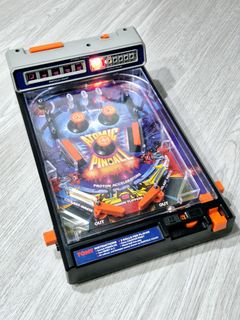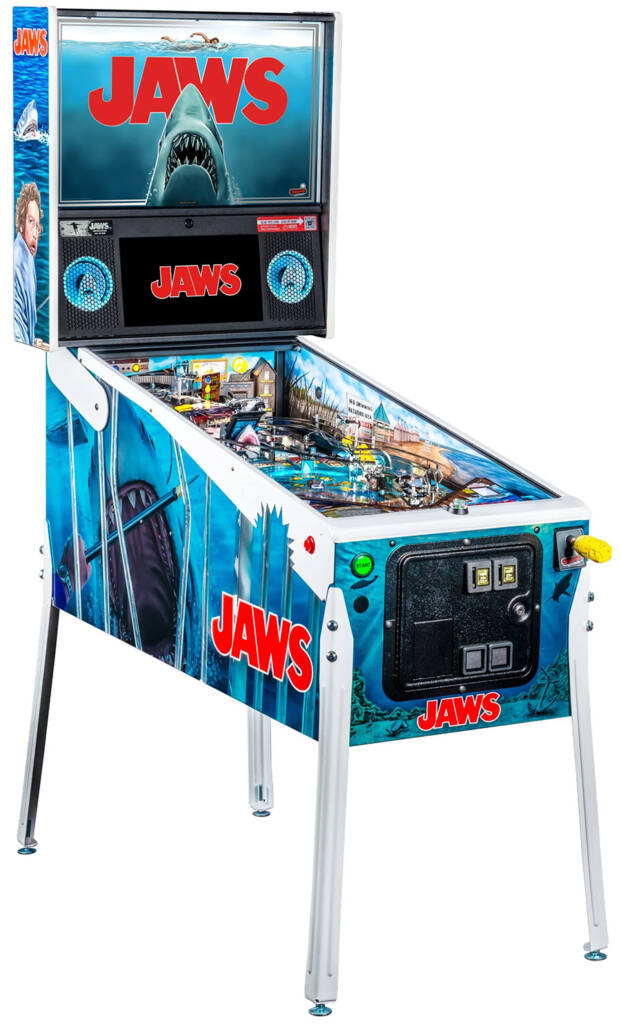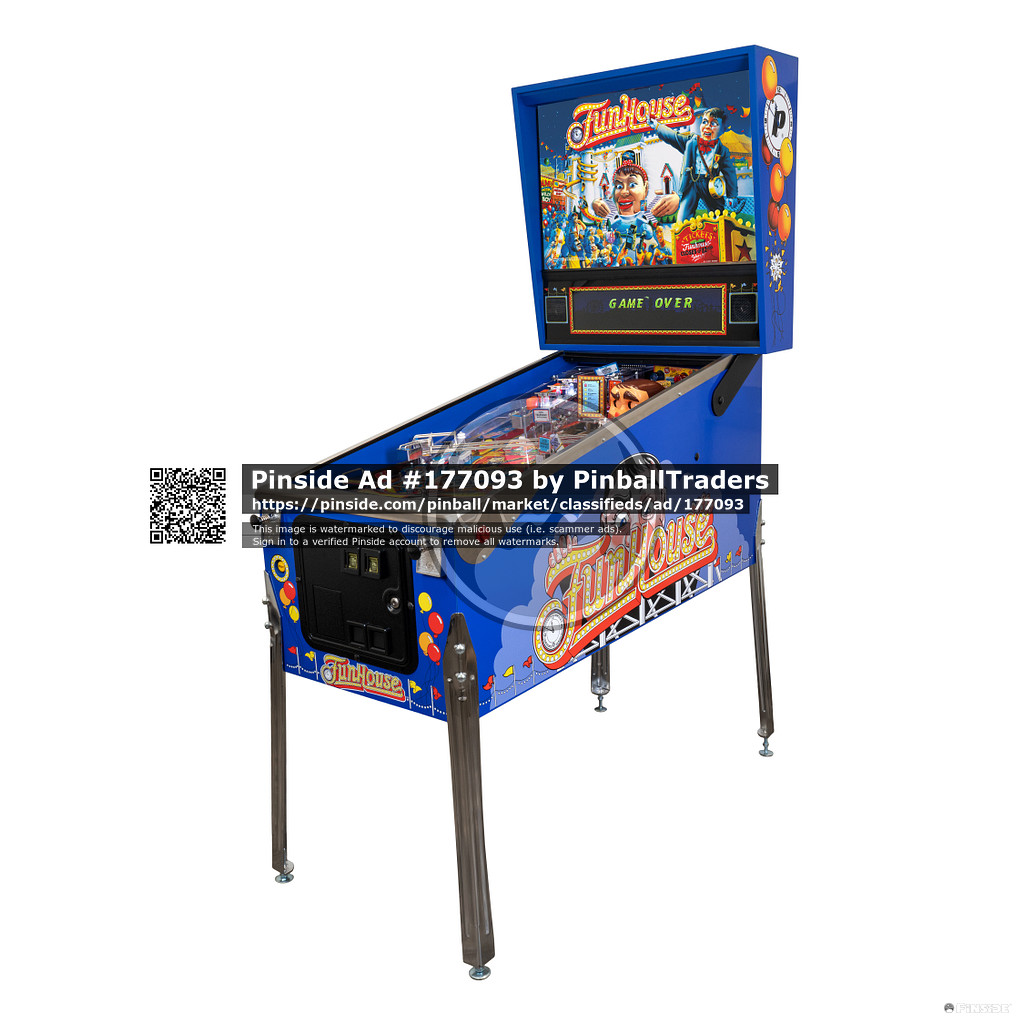
Are you ready to elevate your game room or home entertainment space? If so, buy a pinball machine may be the perfect addition to your collection of recreational equipment. With its nostalgic charm, engaging gameplay, and vibrant aesthetics, a pinball machine is not just a game but a statement piece that transforms any room into an authentic arcade. Whether you’re a seasoned collector or a casual enthusiast, this comprehensive guide will help you navigate the exciting process of purchasing a pinball machine — from understanding the nuances of new versus used models to finding reputable sellers and maintaining your investment for years of fun.
Pinball Machine Buyer’s Guide – Finding the Perfect Game
Embarking on your journey to buy a pinball machine requires careful thought and planning. One of the most critical things to consider is what kind of gaming experience you’re after. Do you want a machine that offers classic gameplay reminiscent of vintage arcades, or are you seeking a modern, feature-rich pinball with intricate lighting, sound effects, and digital displays? Determining your preferred style and gameplay style narrows down your options, helping you list your priorities such as theme, complexity, and aesthetic appeal. It’s also worthwhile to research the collection of available machines—some are rare collector’s items with high value, while others are perfect for casual gameplay.
Furthermore, understanding the ecosystem around pinball machines serves as a vital part of the buying process. Join online forums, visit local game shops, and attend pinball expos or shows to connect with experts who can provide invaluable advice based on your interests and budget. When you find the right machine, always verify its condition and functionality—consider aspects like playfield wear, electronics, cabinet structure, and original parts. Buying a pinball machine is more than a purchase; it’s an investment in entertainment that reflects your taste and personality. Conduct thorough research to ensure your choice aligns with your space, style, and commitment to maintenance, making sure you get value beyond just the initial buy.
New vs. Used Pinball Machines – Pros, Cons, and Cost Considerations
Deciding between a brand-new or pre-owned pinball machine is an essential step that influences your budget, experience, and long-term satisfaction. New machines come with the advantage of modern technology, warranties, and the assurance that all components are pristine and functional. They often feature the latest themes, innovative gameplay mechanics, and enhanced safety standards. However, the downside is the significant financial investment — new pinball machines can cost several thousand dollars, depending upon the brand and features. For serious collectors or enthusiasts eager for the latest gaming experience, new models can be a worthwhile investment that guarantees reliability and a longer lifespan.
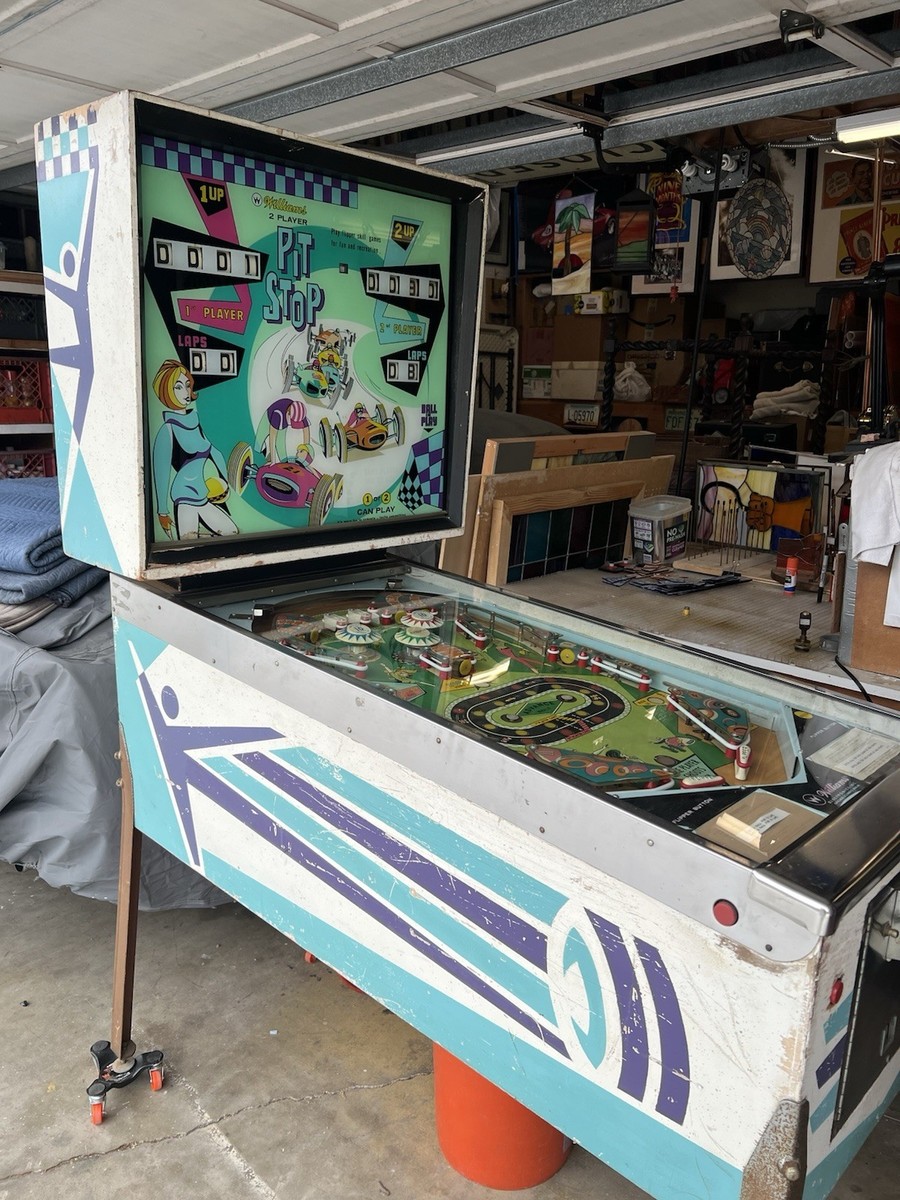
Conversely, used pinball machines can substantially lower your initial investment, making them an attractive option for hobbyists or those new to the pinball community. Older machines, especially vintage ones, can hold a nostalgic appeal and may become valuable collectibles over time. But buyers should remain cautious; used machines often require repairs, cleaning, or restoration, which can add to the overall cost. It’s crucial to inspect used machines thoroughly or seek professional assessments before purchase to avoid hidden issues such as worn-out electronics, damaged playfields, or missing parts. Ultimately, your decision hinges on your budget, intended use, and how much effort—and money—you are willing to invest in upkeep.
Top Pinball Machine Brands and Models to Consider
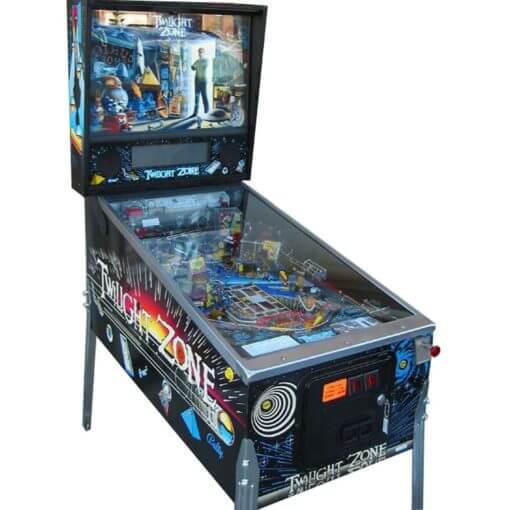
When aiming to buy a pinball machine, recognizing top brands and models helps in making a persuasive choice aligned with your preferences. Williams and Bally, legendary names in the industry, have produced iconic machines since the 1930s-through-1990s, offering a mix of vintage charm and reliable mechanics. Their classic models like “The Addams Family” or “Twilight Zone” are valued collector’s items and provide timeless gameplay. Stern Pinball, a dominant modern manufacturer, consistently delivers high-quality, innovative machines such as “Iron Maiden” and “Batman 66,” known for their dynamic features and durability.
Moreover, newer brands like Jersey Jack Pinball have gained prominence for their cutting-edge technology and immersive themes, appealing to both new and seasoned enthusiasts. For instance, “Pirates of the Caribbean” and “The Wizard of Oz” are distinguished models offering vibrant visuals and engaging narratives. When selecting a model, consider factors such as gameplay complexity, theme relevance to your interests, and compatibility with your game room setup. Exploring online reviews, watching gameplay videos, and visiting arcades or pinball museums can provide deeper insights into which models will give you the most enjoyment and longevity.
Factors to Consider Before Buying a Pinball Machine – Space, Budget, and Maintenance
Before making a purchase, evaluating your available space is vital. Pinball machines are substantial, often measuring around 27 x 55 inches with some models reaching over 30 inches in height. Ensure your room has sufficient clearance for the machine to stand comfortably, along with space for players to move around freely. Consider ceiling height, proximity to walls, and electrical outlets, as many pinball machines require a dedicated power source and proper ventilation. Additionally, factor in your aesthetic vision—whether you want a machine that blends seamlessly into your decor or acts as a statement piece.
Budget considerations extend beyond the sticker price. Besides initial costs, you must account for ongoing expenses like maintenance, repairs, and potential upgrades. Older or used machines might require new parts or restoration work, which can be costly but also preserve or enhance gameplay quality. Maintenance involves cleaning, lubricating moving parts, replacing bulbs, and occasionally troubleshooting electronics. If you lack technical expertise, investing in a service technician or learning basic repairs yourself can save money and ensure your pinball machine remains in top condition for years to come.
Where to Buy a Pinball Machine – Dealers, Online Marketplaces, and Auctions
Finding reliable channels to buy a pinball machine is crucial to ensuring authenticity and quality. Brick-and-mortar dealers specializing in arcade machines or vintage game equipment often provide inspection services, warranties, and personalized advice, making them a trusted option for first-time buyers. Many reputable dealers also carry refurbished or newer models and can help arrange delivery and setup. Attending pinball expos or conventions is another excellent way to see a wide variety of machines, compare prices, and network with collectors and enthusiasts who can recommend trusted sellers.
Online marketplaces such as eBay, specialty pinball shops, and dedicated classified websites offer extensive choices for those who prefer browsing and bidding from home. These platforms often feature detailed descriptions, photos, and seller ratings, but buyers must exercise caution—scrutinize the machine’s condition, ask for detailed histories, and, if possible, arrange an inspection. Auctions, both physical and online, can sometimes yield rare, collectible, or limited-edition machines at competitive prices. Regardless of your choice, thorough research and verifying the seller’s reputation are essential steps toward securing a quality pinball machine that provides fun and reliability for years to come.
Pinball Machine Ownership – Maintenance, Repairs, and Troubleshooting
Owning a pinball machine is not just a one-and-done purchase; it’s an ongoing commitment to upkeep. Regular maintenance involves cleaning the playfield, replacing bulbs, lubricating mechanical parts, and ensuring electronic components are functioning correctly. Developing a routine for inspection and cleaning greatly extends the lifespan of your machine and maintains optimal gameplay quality. If issues arise, troubleshooting can range from simple fixes like replacing a blown fuse or damaged bulb to more complex tasks such as repairing circuit boards or replacing worn-out coils and motors. Having basic knowledge of the machine’s mechanics enables quicker, cost-effective repairs.
For serious enthusiasts, establishing a preventive maintenance schedule and keeping a toolkit handy is an excellent strategy. Many online communities and forums provide detailed guides and troubleshooting tips that can empower you to handle minor repairs yourself, saving money and minimizing downtime. However, certain repairs, especially dealing with electronic boards or intricate wiring, require professional expertise. Investing in quality replacement parts and ensuring easy access to spare components can make repairs more manageable. Viewing your pinball machine as a long-term investment not only enhances its durability but also deepens your enjoyment as you master the nuances of maintenance and repair.
Conclusion
In summary, buying a pinball machine is an exciting process that combines technical knowledge, aesthetic preference, and practical planning. From understanding the differences between new and used models, choosing the right brand and model, to considering space, budget, and maintenance needs—each step is essential to making a satisfying purchase. With a variety of buying options ranging from trusted dealers to online marketplaces and auctions, buyers have numerous avenues to find their ideal machine. Properly maintaining and repairing your pinball machine ensures long-lasting fun and keeps it in excellent condition. Whether you are a passionate collector or a recreational gamer, making informed decisions will lead to countless hours of entertainment and a rewarding addition to your home arcade experience.