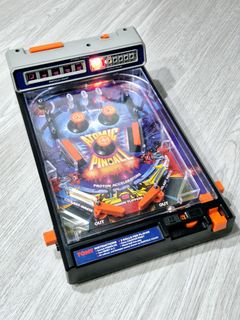
Imagine the thrill of hearing the distinctive chime and the satisfying clack of a ball bouncing off bumpers and targets. The arcade pinball machine has long been a symbol of arcade excitement, nostalgia, and technological innovation. Its enduring appeal lies in its blend of mechanical ingenuity, captivating themes, and competitive play that continues to attract enthusiasts worldwide. Whether you’re reminiscing about childhood visits or exploring its collectible market, understanding the arc and evolution of the arcade pinball machine provides insight into a cultural phenomenon that has persisted through decades.
In this article, we’ll delve into the fascinating world of arcade pinball machines, exploring their history, artistry, modern advancements, restoration techniques, and competitive scene. From vintage classics to contemporary marvels, each facet reveals why these machines remain a beloved fixture in entertainment history and a thriving hobby for many enthusiasts today.
The Enduring Appeal of Arcade Pinball Machines
The allure of an arcade pinball machine extends far beyond the simple thrill of playing a game. It embodies an era when mechanical design paired with vibrant artwork created an immersive experience that captivated both casual players and dedicated collectors. The tactile feedback, the flashing lights, and the sound effects come together to create an almost hypnotic environment that beckons players to try again and again. This blend of sensory engagement and skill-based gameplay ensures its appeal is timeless, offering new generations a taste of arcade nostalgia.
Furthermore, the social dimension of pinball adds to its charm. In arcades, these machines served as communal hubs where players competed, exchanged tips, and shared moments of victory or defeat. The ever-present challenge of beating high scores or mastering complex shots fuels a competitive spirit that transcends age and background. As a testament to its cultural significance, many modern venues incorporate vintage pinball machines, allowing both nostalgia and innovation to thrive side by side. The game’s resilience is a testament to its ability to adapt while maintaining its core appeal: a perfect blend of art, mechanics, and entertainment.
A Collector’s Guide to Vintage Pinball Machines
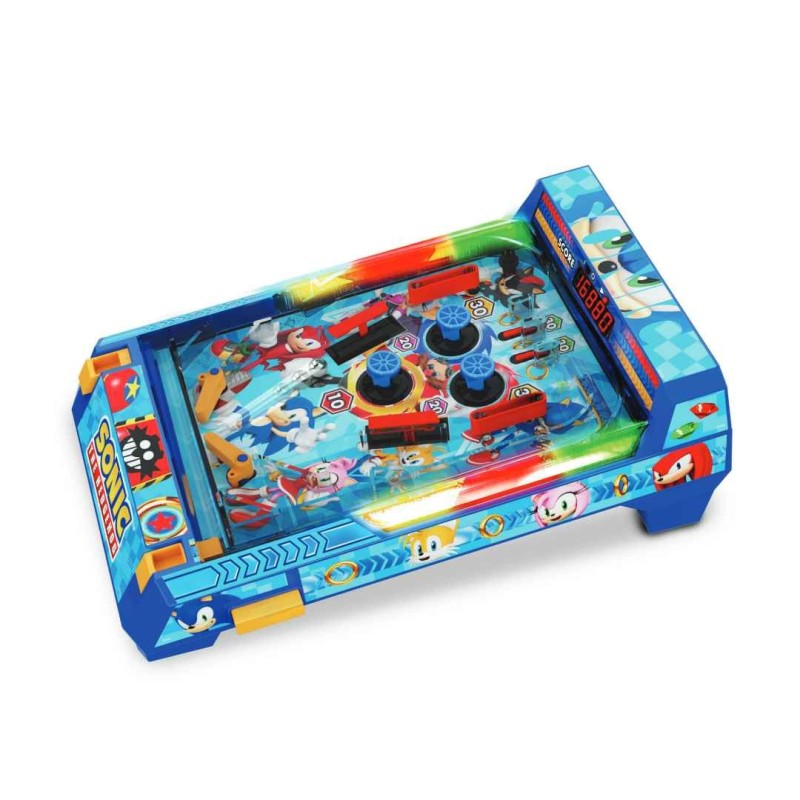
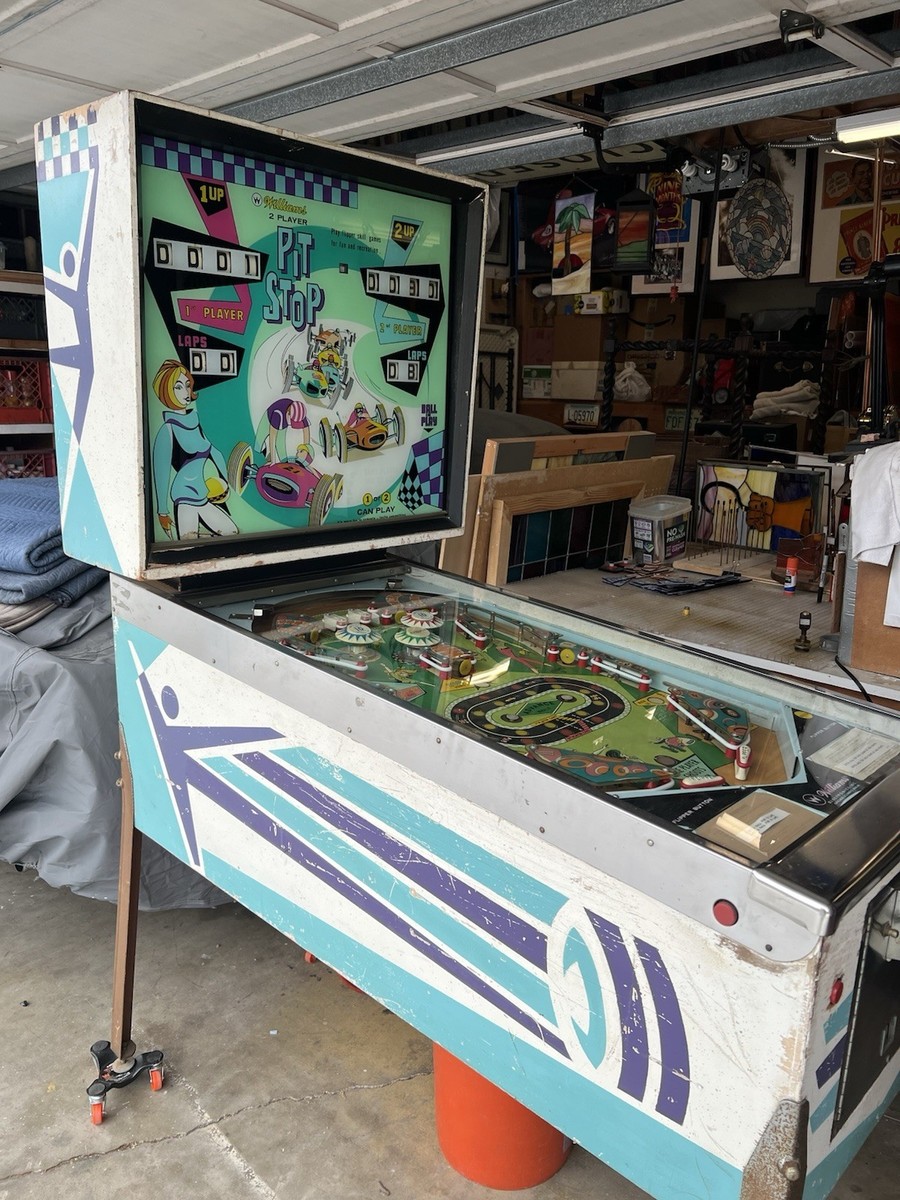
For avid collectors, vintage arcade pinball machines are treasures that embody nostalgia and historical craftsmanship. Acquiring these machines involves a keen eye for originality, condition, and authenticity. Collectors often seek machines from specific eras — such as the classic Bally or Williams models from the 1970s and 1980s — which are renowned for their unique themes and mechanical complexity. Restoring and maintaining these pieces demand patience and expertise, as parts can become scarce, and mechanical or electronic issues may arise.
Delving into vintage pinball collection is more than just acquisition; it’s about understanding the stories they tell. Many machines feature artwork and themes that reflect societal trends, pop culture, or technological innovations of their time. As a collector, understanding the intricacies of these machines — from the layout of the playfield to the nuances of their scoring systems — lends greater appreciation. Rare machines, limited editions, or those with unique features can command significant value in the market, transforming a passionate hobby into a serious investment. The world of vintage arcade pinball machines is a fascinating blend of history, craftsmanship, and personal passion.
Modern Innovations in Pinball Machine Technology
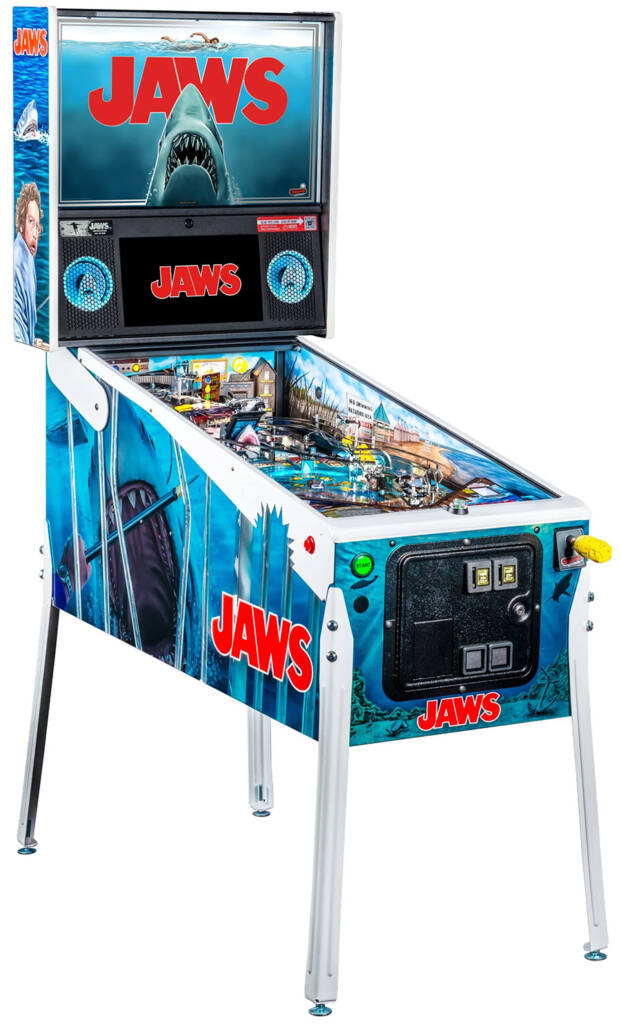
Today’s pinball machines are a testament to how technology can reinvent a classic pastime. Modern arcade pinball machines incorporate advanced electronics, LED lighting, digital sound, and robust software systems that enhance gameplay and visuals. These innovations allow for dynamic rule sets, immersive video modes, and intricate multi-ball experiences, elevating the game beyond traditional mechanical constraints. Developers now combine hardware with high-resolution displays, creating hybrid machines that merge arcade nostalgia with contemporary entertainment technology.
Additionally, the integration of online leaderboards and connectivity features fosters a thriving competitive community. Players can track their scores, participate in tournaments remotely, and share their achievements through digital platforms. This technological evolution broadens the appeal of arcade pinball machines, attracting a new generation of gamers who crave sleek, interactive, and high-tech experiences. It’s fascinating to see how the creative blend of mechanics and digital innovation breathes new life into the age-old game, ensuring its relevance in the digital age.
The Art and Design of Arcade Pinball Tables
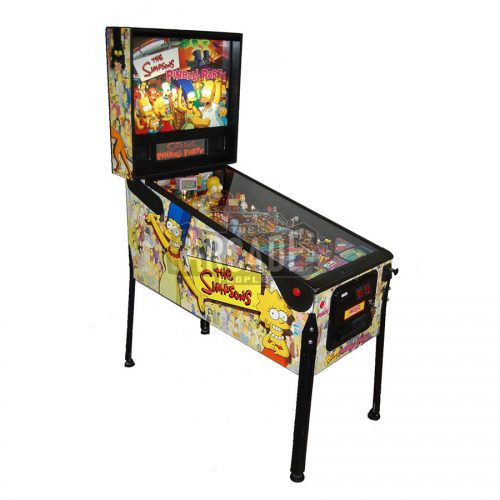
At first glance, the visual appeal of an arcade pinball machine is undeniable. The vibrant, intricately detailed artwork on the cabinet and playfield acts as a window into popular culture, gaming mythology, or thematic storytelling. Behind these designs lies a meticulous process where artists, graphic designers, and engineers collaborate to craft a cohesive visual narrative that complements gameplay. This artistic approach transforms each pinball table into a piece of kinetic art, captivating players before they even engage with the game.
Designing a successful arcade pinball table involves balancing gameplay layout with aesthetic elements. The placement of bumpers, targets, ramps, and lit zones is carefully engineered to create a challenging but enjoyable experience. Dynamic lighting effects, color schemes, and thematic visuals work harmoniously to guide players’ attention and evoke emotional responses. The art and design not only serve a functional purpose but also invoke storytelling and personality, making each machine a unique and memorable experience. It’s this meticulous attention to visual and functional harmony that elevates the art of pinball table design beyond simple entertainment.
Pinball Machine Restoration: A Comprehensive Guide
Restoring an arcade pinball machine is both an art and a science — requiring skill, patience, and a passion for preservation. Restorers must begin with a thorough assessment of the machine’s mechanical, electronic, and aesthetic condition. Depending on the level of deterioration or rarity, this may involve sourcing vintage parts, repairing or replacing components, and meticulous cleaning to return a machine to its original glory. Proper restoration not only guarantees gameplay quality but also preserves the historical integrity of these mechanical marvels.
The process extends beyond mechanical repairs; it involves carefully restoring or reproducing artwork, decals, and lighting to match the original design. Maintaining authenticity is vital for collectors and enthusiasts who value the machine’s historical significance. Modern tools and resources, including 3D printing, online forums, and specialized suppliers, have made these tasks more accessible. Restoration is ultimately about safeguarding the legacy of arcade pinball machines and ensuring they can be enjoyed by future generations, blending craftsmanship with passion.
The Competitive World of Pinball – Tournaments and Leagues
Competitive pinball has evolved into a vibrant, worldwide community, with tournaments and leagues fostering skill development and camaraderie. These events attract players of all levels, from novices to seasoned professionals, united by their love for the game. Official tournaments, often sanctioned by organizations like the International Flipper Pinball Association (IFPA), showcase intricate gameplay, strategic mastery, and mental agility. The competitive scene is driven by a desire to push personal boundaries while celebrating the artistry and challenge of the arcade pinball machine.
Participating in tournaments offers more than just personal achievement; it provides a sense of belonging within a passionate community. Many leagues meet regularly, sharing tips, hosting themed events, and keeping the spirit of competition alive. Additionally, modern scoring systems, live streaming, and online leaderboards have broadened participation, allowing fans globally to connect and compete. Whether played casually or at a professional level, pinball tournaments highlight the enduring challenge and social aspect of the game, reaffirming why the arcade pinball machine continues to excite players today.
Conclusion
The arcade pinball machine stands as a symbol of entertainment, craftsmanship, and cultural history that continues to resonate through generations. Its enduring appeal lies in its perfect blend of mechanical complexity and artistic imagination, evolving through technological breakthroughs while retaining its nostalgic charm. From vintage collectibles and restored classics to modern innovations and fierce competitions, the world of pinball offers something for everyone — a testament to its timeless allure. As this beloved game continues to adapt and inspire, it cements its legacy as a true icon of arcade history and a dynamic hobby for enthusiasts worldwide.